
Respect was delighted to be at the closing conference of the five-year VISION research programme to reflect on all of the work done on this wide ranging project on violence, its impact on health, and the ways in which it must be prevented. The day took the form of two keynotes and three symposia on definitions and measurement of abuse, violence prevention within marginalised groups and collaboration. Respect was represented by our CEO Jo Todd CBE, Director of Influence Caroline Bernard, Policy, Public Affairs and Communications Manager of the Drive Partnership Ailsa Malcolm, and Practice and Development Lead for the DAPO Triage Programme David Dunne.
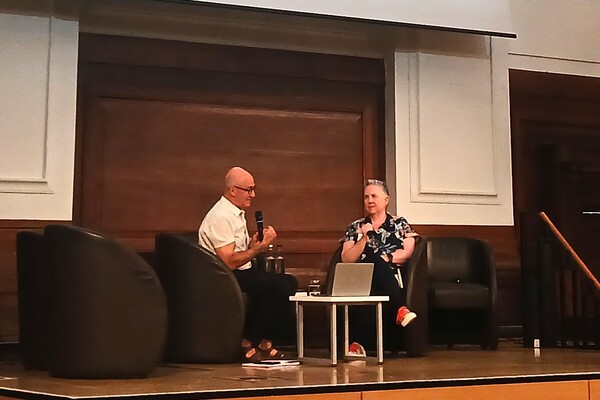
Jo Todd has sat on the Advisory Board of VISION from its inception, and participated in the opening keynote, which took the form of a fireside chat with Programme Director Professor Gene Feder. The two talked about their respective 30-year careers in the area of violence and abuse. Jo reminded us of the basic premise of our work, that working with women is only solving part of the problem and that, despite promises from government, we are not seeing the systemic change taking place on the scale at which it is needed. While it is hopeful that there is a trajectory of change, the pledge to halve violence against women and girls (VAWG) in a decade looks unlikely to be met unless there is a radical change of pace and scope.
In a discussion about research and whether there are issues around how we research violence, Jo pointed to the Project Mirabal report, which is, for Respect, the gold standard on how we demonstrate what works to stop perpetrators causing harm. The Project Mirabal team started with the key question of what success looks like, including women’s desire for a relationship that isn’t just free from physical violence, but one where they can argue safely, be in a bad mood and not afraid of consequences.
Professor Liz Kelly’s second keynote on language challenged delegates to look at the way we describe the actors in abuse situations, reminding us that often, violent language is used to describe victims, but “numbingly vague” language is being used to describe perpetrators. Professor Kelly’s remarks gave us food for thought on the shifts taking place in words and meaning – “language changes not just what we say, but what we know and recognise”.
It was a stimulating day with lots to take away and consider how we apply this to our practice and influencing work. To a question from the floor on what we have lost over the last 25-30 years, Jo responded by saying that the VAWG sector has lost its freedoms – commissioners are now telling organisations what their outcomes should be, not the other way around. As experts in the sector, we need to keep making the arguments, as we are the experts who know what works.
We're grateful to have worked with VISION on this important programme over the last five years. Developing and maintaining links and knowledge-sharing between research and practice is a vital part of safe, effective work to tackle domestic abuse.


